This post is based on my own research and experience, not medical advice. Always talk to your doctor before starting a new supplement, especially with things like iodine and vitamin D where dosing matters.
Many of my friends come to me overwhelmed, starting their supplement routine from scratch with no idea where to start. TBH, most of what’s being sold to you is overkill. You don’t need twenty bottles on your counter. You need a handful of foundational things done consistently, and everything else can come later based on your actual labs and symptoms. Here are the seven I tell almost everyone to start with, regardless of their specific health goals.
1. Hydration (yep! that means electrolytes)
Water alone doesn’t hydrate you the way people think it does. Your cells need electrolytes, sodium, potassium, and magnesium to actually move water into your cells and let them function and fire correctly. Without those minerals, you can drink water all day and still feel dehydrated, foggy, or fatigued.
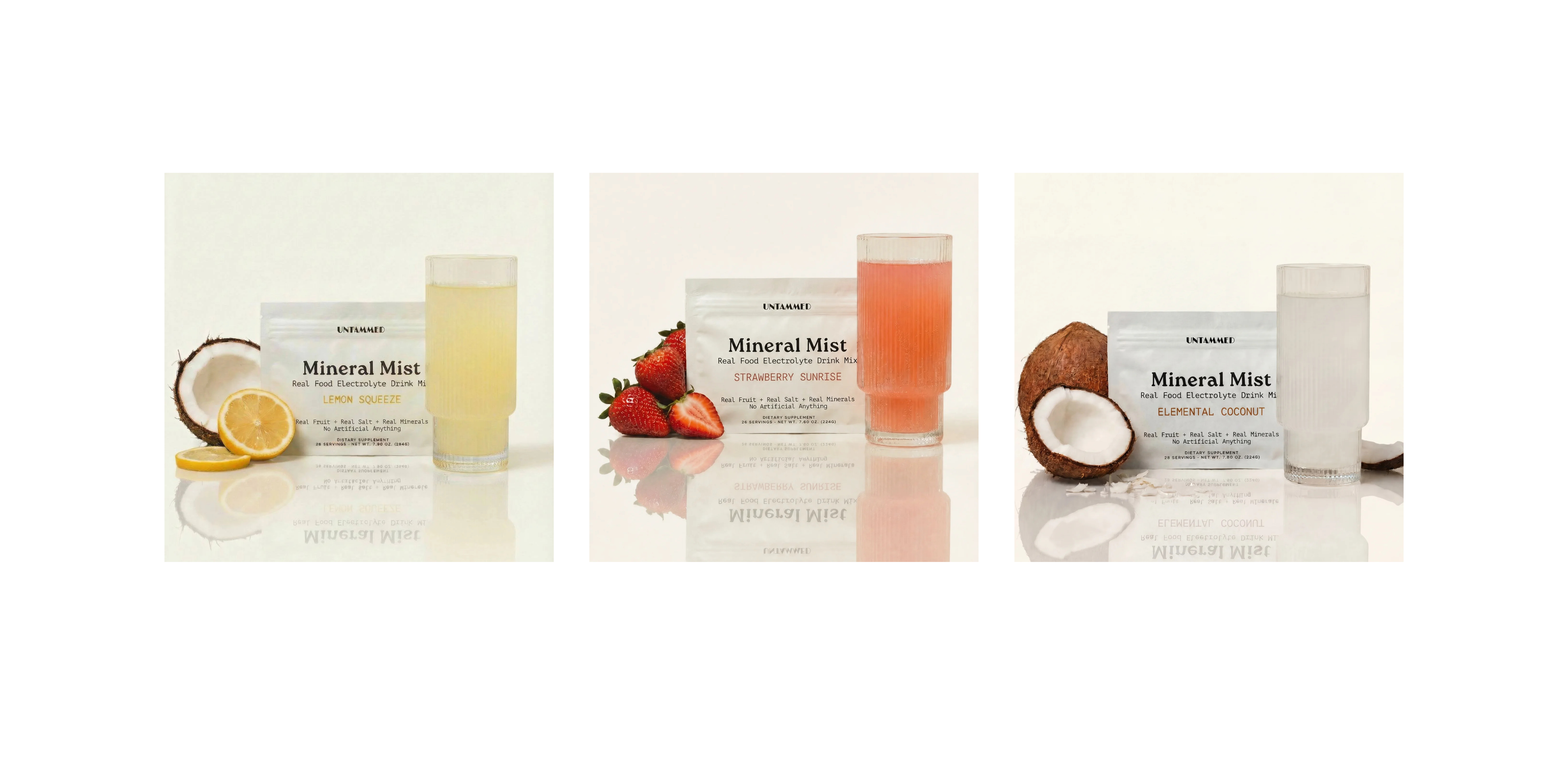
You can get electrolytes from real food: fruits, vegetables, and simply salting your food well. But most people also benefit from an electrolyte packet, especially if you sweat a lot, work out, or aren’t eating a ton of produce. The catch is that most electrolyte products on shelves are loaded with added sugars, artificial flavors, gums, and fillers that work against you instead of for you. I look for clean options like Promix or Untamed instead. I wrote full breakdowns of both here:
Related posts
Buy Promix Electrolytes on Amazon
→
2. Magnesium
Magnesium is the first mineral your body depletes in a stress response, and stress doesn’t have to mean something dramatic. Waking up, getting through your morning routine, brushing your teeth, all of that counts as stress on your body. So you’re burning through magnesium constantly, whether you realize it or not.
Magnesium is also required for your body to properly absorb calcium and to activate and use vitamin D. Without enough magnesium, both of those other nutrients can’t do their job, no matter how much of them you’re taking. If you’re deficient, you’ll usually notice signs: muscle cramps or twitches, trouble sleeping, headaches, or feeling wired but exhausted. I go deeper on this, plus which forms of magnesium actually work, here:
Related post
Buy Dr. Berg’s Magnesium Glycinate on Amazon
→
3. Vitamin D
Most people today are deficient in vitamin D, and it’s not really their fault. We live in a culture that’s scared of the sun: we slather on sunscreen, we stay indoors, and a lot of us are eating diets high in seed oils, which can interfere with how you react to the sun in the first place.
If you can, get some sunlight on bare skin, your eyelids and stomach included, without sunscreen, for a short amount of time each day. But realistically, even with intentional sun exposure, most people still need to supplement. Around 5,000 IU a day is generally enough for most adults, though your ideal dose really should be based on a blood test.
Related post
Buy Dr. Berg’s Vitamin D3 & K2 on Amazon
→
4. Iodine
The thyroid is the first gland to develop in a human, and it depends heavily on iodine to function. Most modern diets are seriously lacking in it. A lot of people assume they’re covered because they use iodized salt, but if you’ve made the switch to a cleaner sea salt (which I HIGHLY recommend, since most table salt is stripped and bleached and full of anti-caking agents), you’re likely not getting iodine from your salt anymore.
Modern life makes it easy to become iodine deficient. Halogens like fluoride (tap water, toothpaste) and bromine (baked goods, flame retardants, synthetic fabrics and mattresses) compete with iodine for the same receptors, so they can block or replace it in your body. Over time, that chronic exposure depletes iodine at the cellular level, affecting not just your thyroid but your whole body. Between a modern diet and modern life, most people need to actively replenish their iodine levels.
I wrote a full post on why iodine matters and how to supplement it safely:
Related posts
I personally use Lugol’s iodine, which you can find here:
Buy Lugol’s Iodine on Amazon
→
5. Cod liver oil
This one might be the most underrated item on this list. Cod liver oil gives you naturally occurring vitamin A, vitamin D, and omega-3 fatty acids (EPA and DHA) all in one place, and those work together instead of in isolation the way a lot of synthetic single-nutrient supplements do.
Vitamin A supports how your cells communicate, grow, and repair themselves, which matters everywhere in your body, but it shows up especially visibly in your skin. Combined with the omega-3s, which help calm inflammation, cod liver oil is one of the best things you can take for skin health, cellular repair, and overall resilience. I take Rosita, which is one of the cleanest, least processed options on the market. Full breakdown here:
Related post
Buy Rosita Cod Liver Oil on Amazon
→
6. Trace mineral complex
Most people are also running low on trace minerals, and it can even be traced back to how our food is grown. Modern farming has depleted a lot of soil of the minerals it used to naturally contain, which means the produce grown in it is depleted too, even if you’re eating “healthy.”
A trace mineral complex helps fill in those gaps: things like copper, manganese, selenium, and others that your body needs in small amounts but can’t function well without. These minerals are involved in everything from energy production to immune function to connective tissue health. Since most diets fall short here across the board, this is one I consider a baseline, not an extra.
Related post
What Are Trace Minerals and Why Are They Important? →
Buy Dr. Berg’s Trace Mineral Complex on Amazon
→
7. Zinc
A good trace mineral complex should already include zinc, but if yours doesn’t, it’s worth supplementing on its own. Zinc plays a role in immune function, wound healing, and hormone production, including testosterone. Zinc deficiency has been linked to lower testosterone levels, and correcting that deficiency can help support healthy levels, though it’s not a magic fix if your levels are already normal. I go into more detail here:
Related post
Buy Frtil Oyster Zinc (my favorite zinc supplement)
→
Buy Dr. Berg’s Zinc on Amazon
→
The bottom line
You don’t need a cabinet full of supplements to feel better. Start with these 7: hydration and electrolytes, magnesium, vitamin D, iodine, cod liver oil, a trace mineral complex, and zinc. Get a good routine going with these first, then build from there based on what your own body needs and what your labs are telling you.
Disclosure: This post contains Amazon affiliate links. As an Amazon Associate, I earn from qualifying purchases at no additional cost to you.